

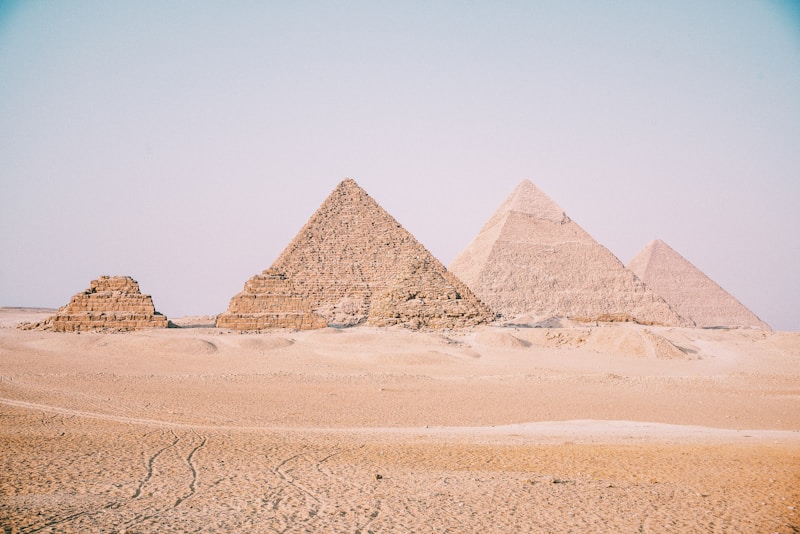
The Workforce: Beyond the Myth of Slavery
The long-standing myth that the pyramids were built by thousands of enslaved people, popularized by Hollywood and early historians, has been definitively debunked by 20th-century archaeology. The discovery of the "Workers' Village" in the 1990s by Mark Lehner revealed a organized, well-cared-for community of skilled laborers.
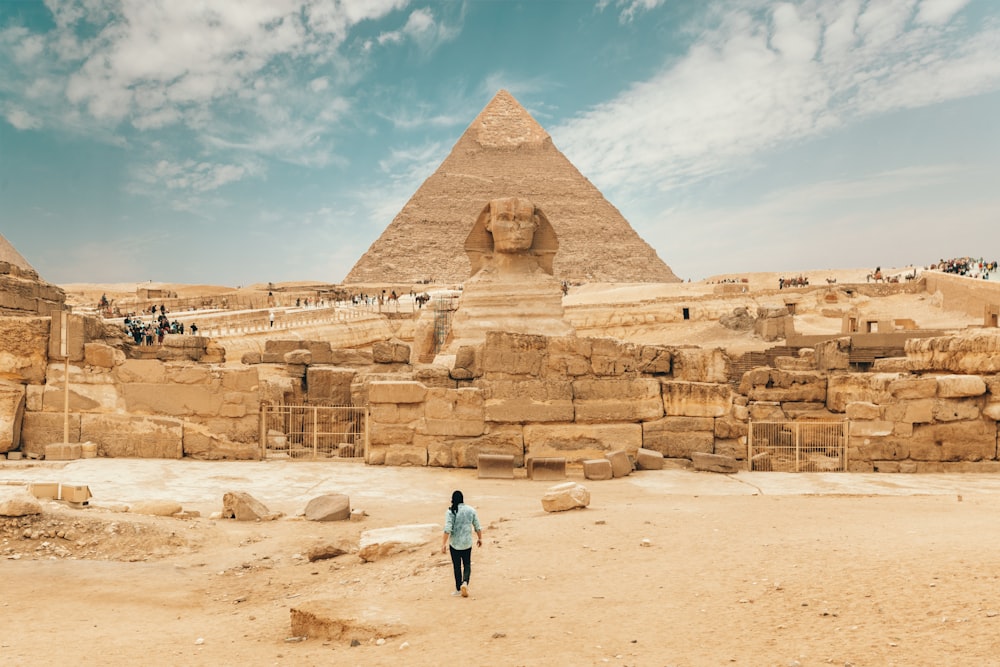
A High-Protein Diet
Analysis of animal bones found at the site shows that the workers were fed a diet rich in beef, sheep, and goat meat—luxuries in ancient Egypt. Historical records suggest the equivalent of 4,000 pounds of meat were consumed daily. This indicates that the laborers were not slaves but respected citizens or conscripted workers fulfilling their national duty, provided for by the state with the best resources available.
Medical Care and Organization
Skeleton analysis shows that workers received sophisticated medical treatment, including brain surgery and successful limb setting. They were organized into "phyles" or groups with names like "Friends of Khufu" and "The Drunks of Menkaure," competing with each other in a spirit of national pride. These men were the elite engineers of their day, and they were buried in honorable tombs near the pyramids they helped build.