

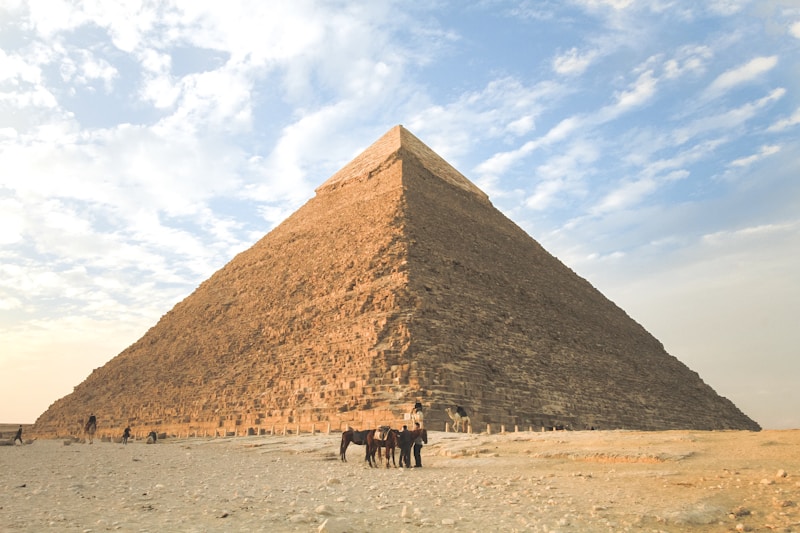
The Tomb Theory: Faith vs. Engineering
Mainstream archaeology maintains that the pyramids were burial chambers for Egypt's royalty. To understand the pyramids, one must understand the Pharaonic concept of the "Ka" (soul). For the Ka to survive in the afterlife, the physical body had to be preserved (mummification) and kept in a secure, indestructible "house" filled with the tools and luxuries needed for eternity.
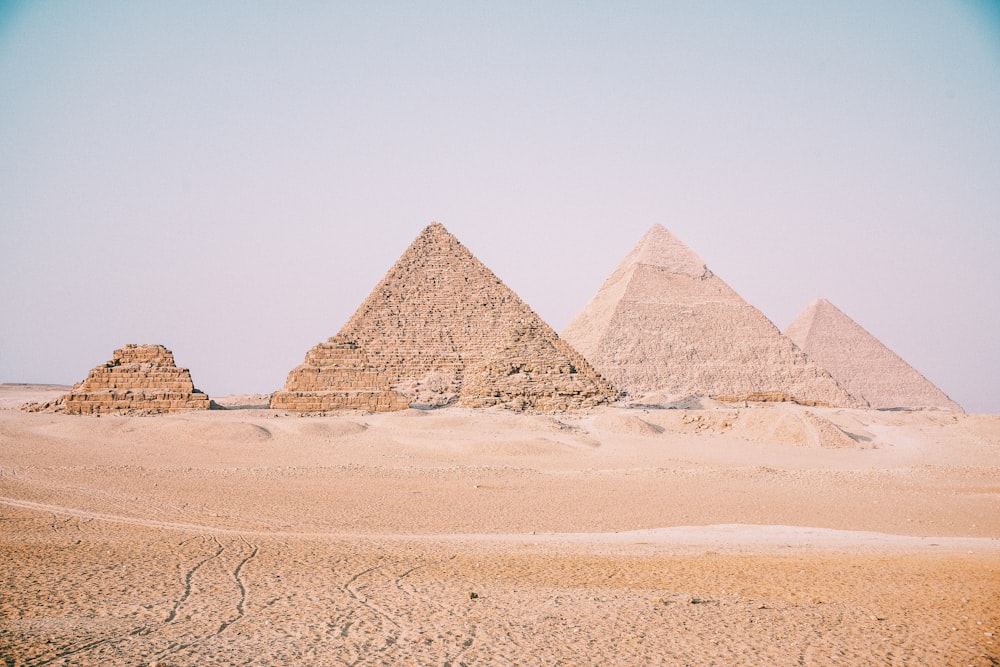
A Complex of Sacrifice
The pyramid was never a solitary structure. It was the centerpiece of a vast mortuary complex that included a Valley Temple on the banks of the Nile, a Causeway leading up to the plateau, and a Mortuary Temple adjacent to the pyramid. Priests would perform daily rituals and bring food offerings for centuries after the Pharaoh's death, ensuring the continuity of his divine reign from the spirit world.
Debunking Alternative Purpose Theories
While some suggest pyramids were grain silos, water pumps, or power plants, the presence of sarcophagi—even if found empty due to looting—and the extensive funerary texts found in later pyramids (the Pyramid Texts) strongly support the tomb theory. The pyramid was the ultimate "resurrection machine," a physical ladder meant to aid the king in his transition from man to god.